

Divi 5 isn't just another Divi update.
For anyone who has been building WordPress websites with Divi for years, the biggest change isn't a new module or a redesigned settings panel. Divi 5 is built on a fundamentally different foundation, with a new architecture designed to make the builder faster, more flexible and easier to develop for.
Is Divi 5 worth upgrading to?
For an existing website, the answer is: it depends.
For a brand-new website, our answer is much simpler: yes.
We've spent time getting familiar with Divi 5 and looking at what the changes actually mean in practice. For us, the biggest benefits aren't about having more features for the sake of it. They're about being able to build better websites, work more efficiently and give clients a stronger foundation for the future.
Table of Contents
Divi 5 Is More Than a New Version of Divi
The temptation with any major software update is to look at the feature list and ask, “What's new?”
With Divi 5, that's not really the right question.
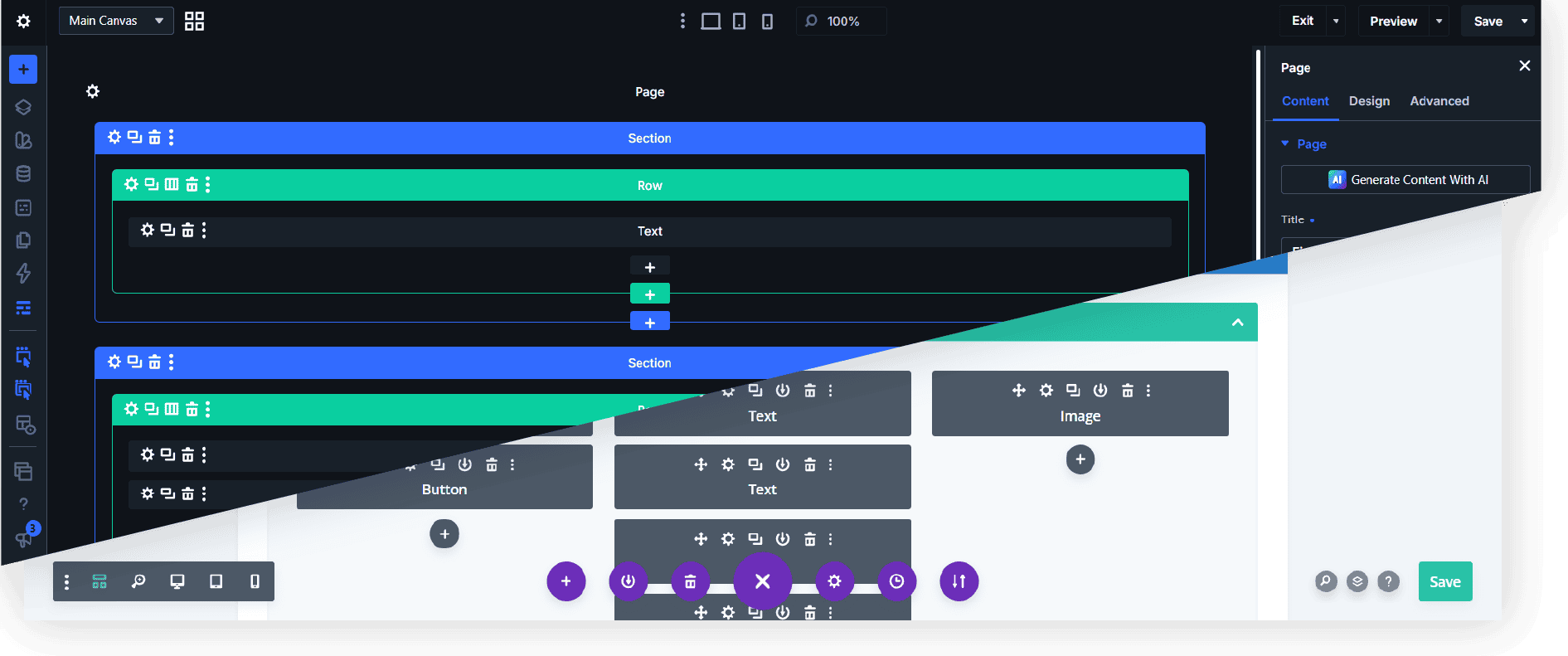
The important change is what's underneath the interface. Divi 5 introduces a completely rebuilt framework and moves away from the legacy architecture that has supported Divi for years. Compatible content is converted to the new Divi 5 framework rather than relying on the old shortcode-based structure.
That matters because a website builder is only as useful as the foundation it's built on.
A modern foundation gives developers more room to create better layouts, improve workflows and introduce new functionality without being held back by older technology.
That's where we think Divi 5 becomes particularly interesting.
What Has Actually Improved?
There are plenty of new Divi 5 features, but not all of them will matter equally to every business.
The improvements we find most valuable are the ones that affect how we build and maintain websites every day.
A Much Better Layout System
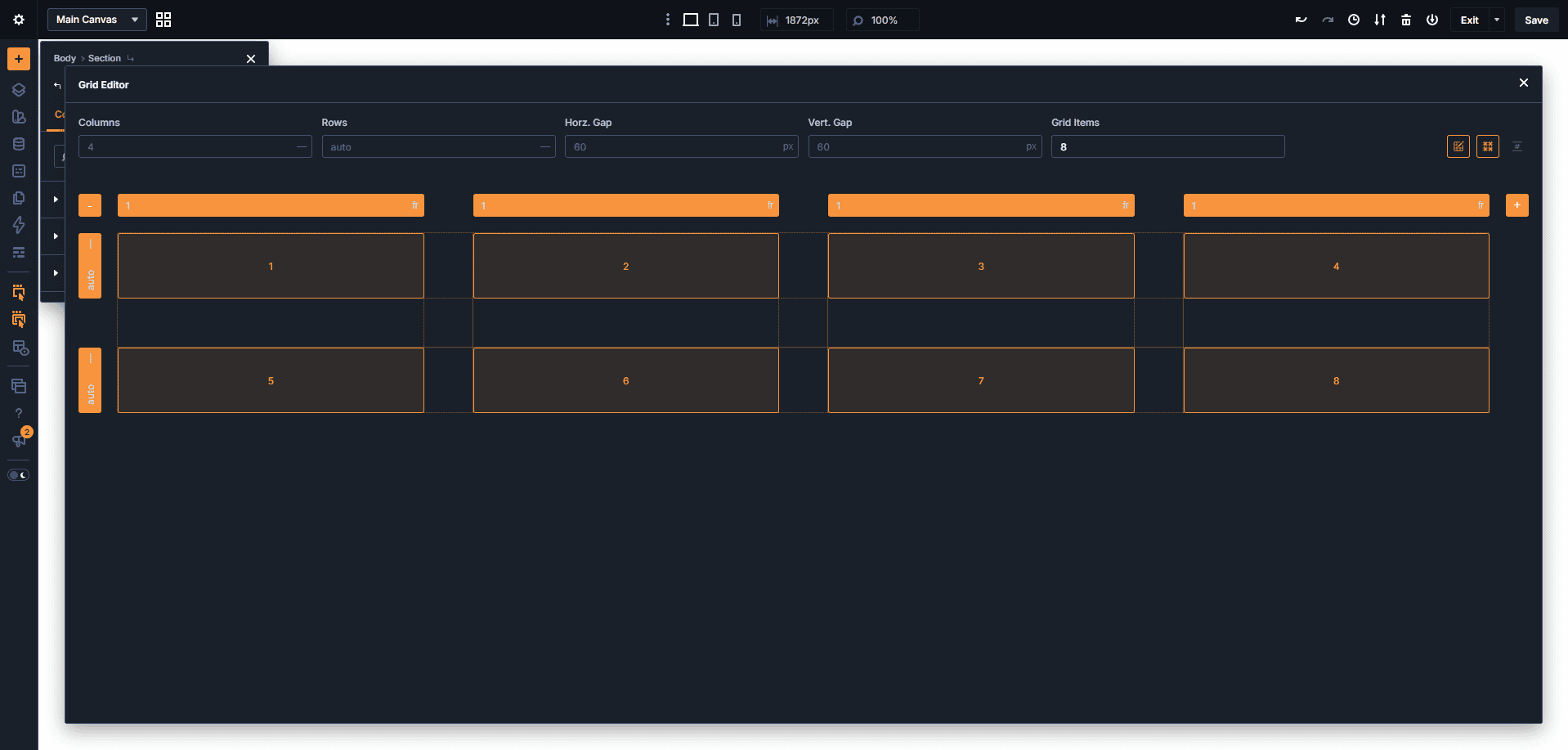
Divi 5 introduces native Flexbox and CSS Grid functionality, giving developers much more control over how elements are arranged and behave across different screen sizes.
This is a significant change from relying on older layout approaches or adding custom CSS to achieve more advanced designs.
Clients won't care that we're using CSS Grid. What matters is that we can build more sophisticated layouts while keeping them responsive, flexible and easier to maintain.
Design Variables Make Global Changes Easier
One of the features we're particularly interested in as an agency is Divi 5's Design Variables.
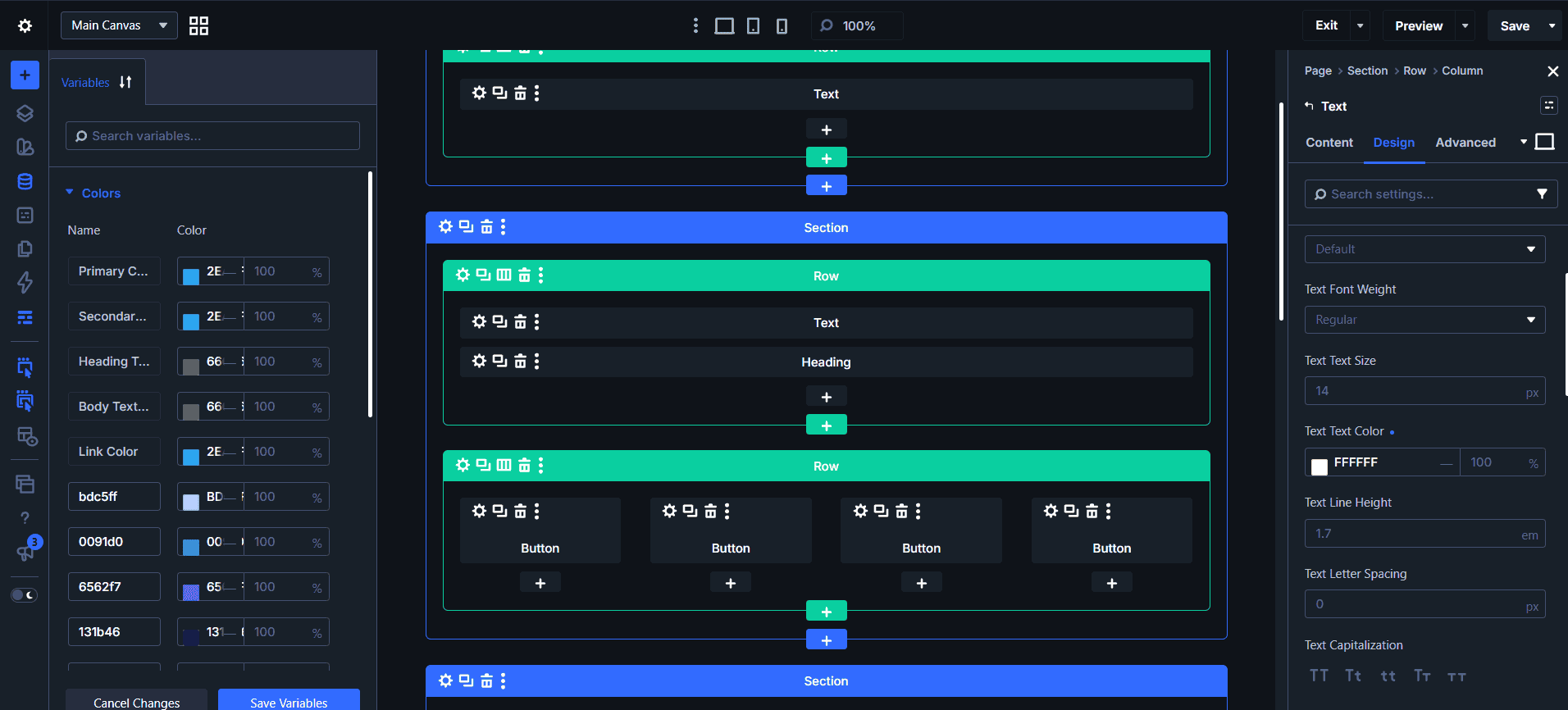
Variables can hold colours, fonts, images, text, links and other values, so commonly used elements of a design system are managed centrally. Change the variable, and everywhere it's used updates automatically.
For a business with a strong brand identity, that can make ongoing website management considerably easier.
If a brand colour changes, you shouldn't need to hunt through dozens of modules to update it. As the website expands, you can maintain consistency without manually recreating the same styles over and over.
For agencies, that means a more systematic way of building websites rather than treating every page as an isolated design.
The Visual Builder Feels More Like a Development Tool
One of the most noticeable improvements is the overall editing experience.
Divi 5's new architecture let Elegant Themes rebuild the Visual Builder, and recent updates keep improving its performance and functionality.
When you're building websites professionally, you're constantly making small changes: adjusting spacing, testing responsive layouts, moving elements, checking pages and switching between templates.
When the builder gets out of your way, development is faster, less frustrating, and that benefits the client too.
Why This Matters to Our Clients
We're choosing Divi 5 because the underlying improvements make sense for the websites we build, not because it's another item to add to our technology stack.
A good website isn't finished when it launches.
It needs to be updated. Content changes. Services change. Branding changes. New pages get added. Businesses grow.
That means the technology underneath the website matters just as much as how it looks on launch day.
Divi 5 gives us a more modern toolkit for building websites that can adapt to those changes.
Does That Mean Everyone Should Upgrade From Divi 4?
No. We'd be wary of anyone telling you otherwise.
For an existing Divi 4 website, migration isn't simply a case of pressing “update” and forgetting about it.
Divi 5 has a migration system that scans existing websites, identifies potentially unsupported content and converts compatible modules to the new framework. Unsupported modules can continue running through backward compatibility, but pages using those legacy modules may still load parts of the Divi 4 framework and therefore won't receive the full benefit of the new architecture.
Third-party Divi extensions are particularly important to check before migrating. Compatibility varies between products, and Elegant Themes recommends checking extensions and testing the migration on a staging site first.
For an existing website, we'd look at the site itself before recommending an upgrade.
Upgrading Makes Sense When:
- You're already planning a website redesign.
- The site is relatively straightforward and uses Divi 5-compatible modules.
- You want to take advantage of the newer layout and design tools.
- You're planning to invest in the website for the long term.
Staying on Divi 4 for Now May Make More Sense When:
- The website relies heavily on third-party Divi extensions.
- The current site is stable and doesn't need significant changes.
- Migration would introduce unnecessary risk without a clear business benefit.
Divi 4 continues to receive security and critical bug fixes, while new development is focused on Divi 5.
In other words, there's no need to upgrade simply because a new version exists.
Why We're Choosing Divi 5 for New Websites
When we're starting a website from scratch, there's no legacy Divi 4 content to migrate and no old third-party modules holding the project back.
We can build directly using the new framework and take advantage of its modern layout capabilities, design variables and other improvements from the beginning.
That gives us a cleaner development process and gives the client a website built on technology we're confident will keep evolving.
For us, that's the strongest reason to choose Divi 5.
Not every existing Divi 4 website needs rebuilding, but when we're starting fresh, there is very little reason to deliberately start with the older foundation.
Our Verdict: Is Divi 5 Worth It?
For existing Divi websites, we'd recommend looking at the individual site before making a decision.
For new websites, however, we believe Divi 5 is the right direction.
The combination of its rebuilt architecture, modern layout controls, design-system features and continued development makes it a considerably more compelling platform for new projects.
We don't choose the technology behind a website simply because it's new. We choose it because it gives our clients a better website today, with room to grow as their business changes.
Thinking about upgrading an existing Divi website or starting a new one?
Get in touch with our team and we'll help you work out which approach makes the most sense for your website.